Modern organisations rely on cloud platforms, software providers, payment processors, outsourced IT and many other suppliers. Each one may hold your data or have access to your systems, which means their weaknesses can become your incidents. Frameworks such as ISO/IEC 27001, SOC 2, PCI DSS and data protection laws all expect organisations to manage this third-party risk.
Start with an inventory and tiering
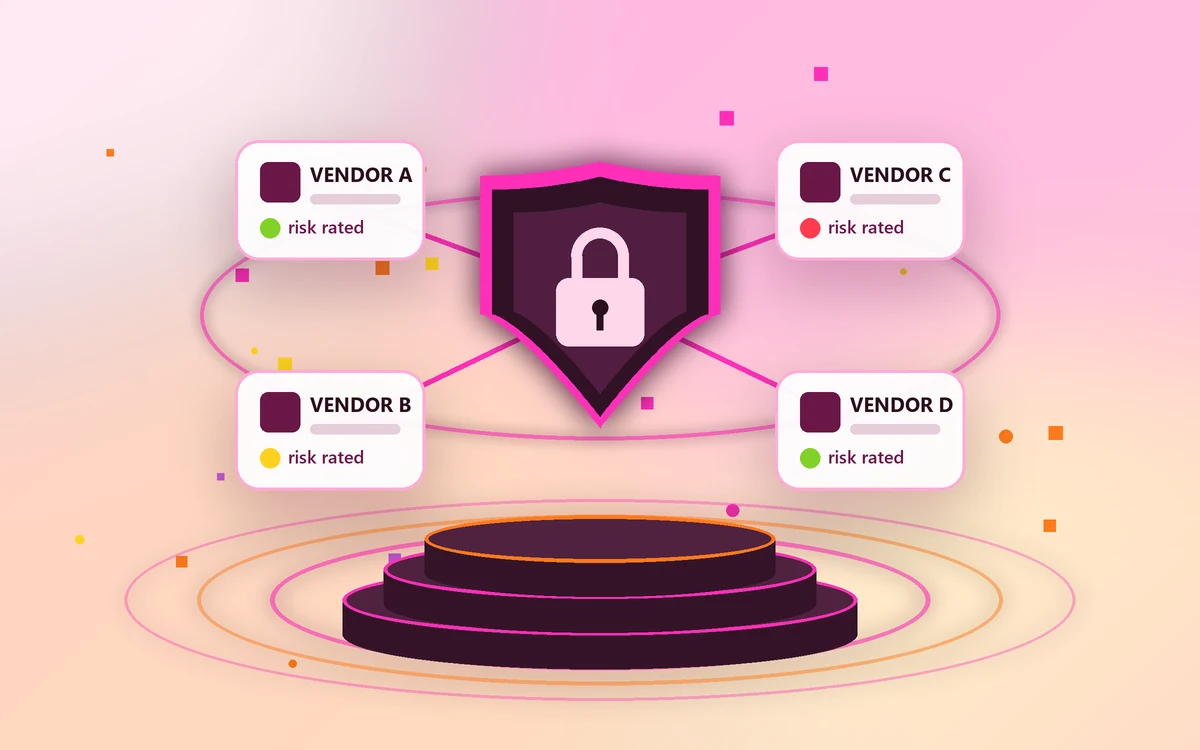
List every vendor that stores, processes or can access your information or systems. Then tier them by risk, considering:
- the sensitivity and volume of data they handle;
- the level of access they have to your networks or applications;
- how critical the service is to your operations;
- any regulatory requirements attached to the data or service.
Tiering lets you apply deeper assessment where it matters and a lighter touch elsewhere.
Assess proportionately
- Low risk: a short questionnaire and confirmation of basic security practices.
- Medium risk: a detailed questionnaire plus supporting evidence such as policies or a recent penetration test summary.
- High risk: independent assurance such as an ISO 27001 certificate with its scope or a SOC 2 Type II report, reviewed by someone who knows what to look for.
When reviewing assurance reports, check that the scope covers the service you actually use, note any exceptions, and confirm the complementary controls you are expected to operate yourself.
Put it in the contract
Contracts should set out security and confidentiality obligations, breach notification timelines, data location and return or deletion at the end of the relationship, the right to request assurance evidence, and controls over the vendor's own subcontractors.
Monitor, don't just onboard
Risk changes over time. Reassess high-risk vendors at least annually, track remediation of any issues you raised, and respond quickly when a supplier reports an incident. Offboarding matters too: remove access and confirm data has been returned or destroyed.
Keep it sustainable
A vendor risk process only works if the business follows it. Keep questionnaires focused, reuse standard assurance where possible and give procurement teams a simple route for engaging security early.
A third-party risk assessment programme gives leadership a clear view of supplier risk and gives auditors the evidence they expect, without turning every purchase into a bottleneck.