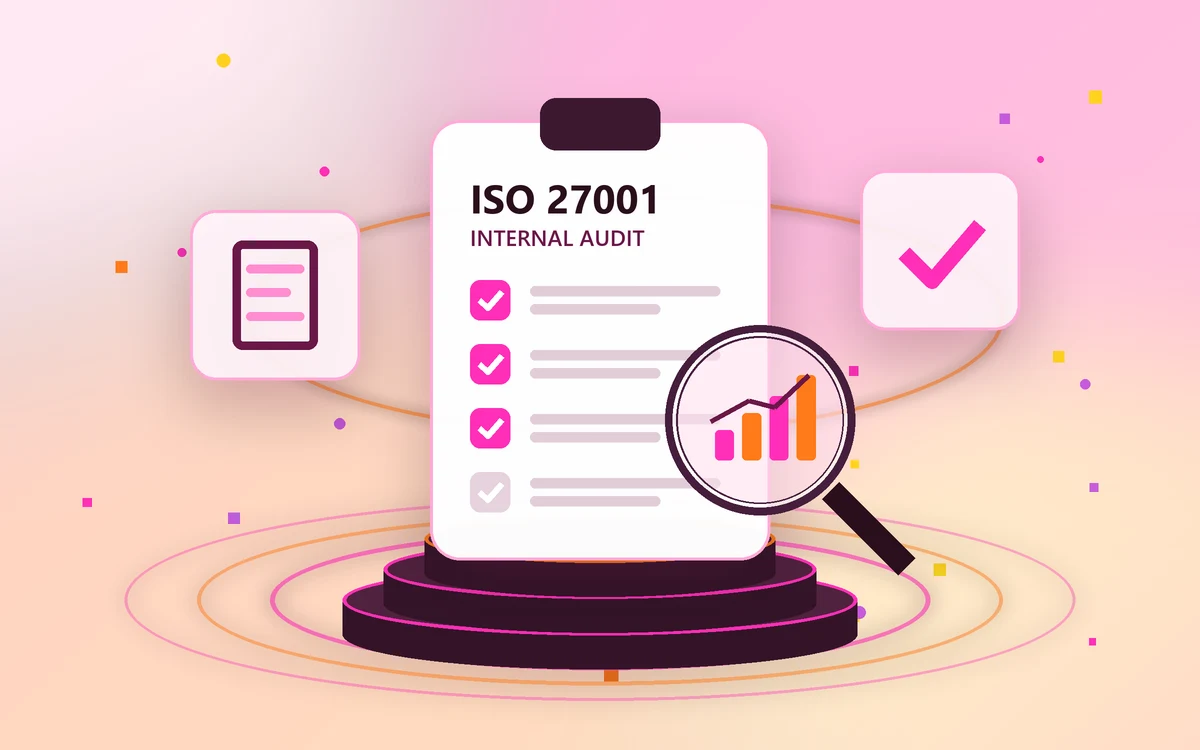
ISO/IEC 27001 requires organisations to conduct internal audits of their Information Security Management System (ISMS) at planned intervals. Done well, the internal audit is the most useful rehearsal you will get before a certification or surveillance audit. Done badly, it becomes a scramble for documents the week before.
The difference is preparation. Here is the evidence an internal auditor will typically ask to see, grouped so you can assign owners in advance.
Context, scope and leadership
- The documented ISMS scope, including locations, teams, systems and any exclusions with justification.
- The information security policy, approved by top management, and evidence it has been communicated.
- Defined roles and responsibilities for information security.
- Records of management review meetings, including inputs, decisions and actions.
Risk management
- The risk assessment methodology and the current risk register.
- The risk treatment plan, with owners, target dates and status.
- The Statement of Applicability, showing which Annex A controls apply, why, and how they are implemented.
Controls in operation
Policies describe intent; auditors look for proof that controls operate. Typical samples include:
- Joiner, mover and leaver records showing access was granted and removed on time.
- Periodic user access reviews for critical systems.
- Change records showing approval and testing before deployment.
- Vulnerability scan results and evidence of remediation.
- Backup logs and at least one restore test.
- Security awareness training completion records.
- Supplier assessments for vendors that handle your information.
- Incident records, including lessons learned.
Performance evaluation and improvement
- Security objectives and the metrics used to measure them.
- Previous internal audit reports and the status of their findings.
- The corrective action log, showing root cause analysis and closure.
Practical tips
Keep evidence where it is produced. Rather than copying documents into an audit folder, maintain an index that points to the live record in your ticketing system, HR platform or cloud console.
Ensure auditor independence. Internal auditors should not audit their own work. Smaller organisations often use an external consultant to provide this independence.
Treat findings as improvement, not failure. Nonconformities found internally are far better than those found by a certification body. Record them, fix the root cause and keep the evidence.
A structured internal audit, carried out against the standard and your own procedures, gives leadership an honest picture of readiness and gives your team time to close gaps calmly.