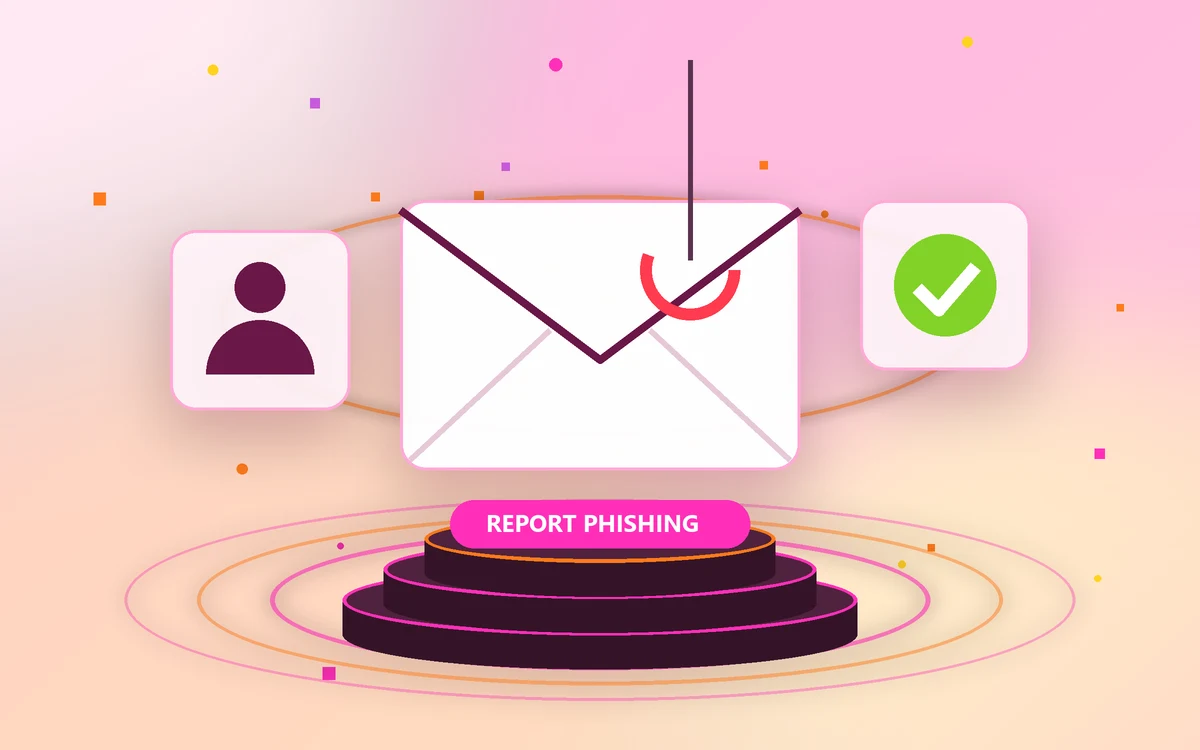
Phishing remains one of the most common ways attackers gain a first foothold. Simulated phishing campaigns help organisations understand how staff respond to realistic lures and where further training is needed. But a poorly run campaign can damage trust and discourage the behaviour you actually want: people reporting suspicious messages quickly.
Set the right objective
The goal is not to achieve a perfect click rate. Someone, eventually, will click. The goal is a workforce that recognises suspicious messages and reports them fast enough for the security team to respond. Design and measure campaigns around that outcome.
Measure more than clicks
- Report rate: the share of recipients who reported the message using the approved button or process.
- Time to first report: how quickly the first person raised the alarm — often the most useful operational metric.
- Credential submission: a more serious outcome than a click alone, and worth tracking separately.
- Trends over time rather than the result of any single campaign.
Design realistic, fair campaigns
- Base lures on threats relevant to your organisation and sector, at varying levels of difficulty.
- Avoid themes that exploit genuine personal distress, such as bonuses, layoffs or health scares, which erode trust.
- Agree scope and rules in advance with HR, legal and leadership, and keep results confidential to the programme.
Respond with learning, not punishment
Anyone who clicks should land on a short, friendly explanation of the warning signs they missed. Naming and shaming discourages reporting — the opposite of what you need during a real attack. Recognise and thank people who report.
Close the loop
Use campaign results to shape awareness training, and share organisation-level trends with leadership. Make the reporting process as easy as one click, and make sure someone triages what is reported.
Run consistently and respectfully, phishing simulations become a measure of security culture rather than a test people fear.